
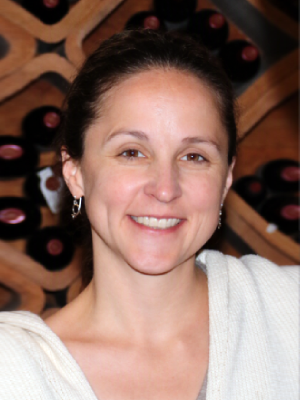
Jessica Kehoe, MD, HMDC, is Associate Medical Director of Hospice and a Hospice and Palliative Care Physician with Washington Permanente Medical Group, where she has practiced since 2009. Her work caring for patients and families through serious illness, caregiving, loss, and major life transitions has shaped her understanding of how deeply life circumstances can affect well-being, relationships, and what people need to remain engaged, supported, and connected at work. She understands the multifaceted challenges that come with integrating personal and professional lives and recognizes that what people need from work may evolve as their lives and circumstances change.
Dr. Kehoe serves on the WPMG Health and Wellness Advisory Group, moderates Schwartz Rounds, and is a WPMG Peer Supporter, helping create confidential spaces where clinicians experiencing professional stress can receive support, empathy, and reassurance that they are not alone. Dr. Kehoe is a NeuroLeadership trained coach. Her goal is to encourage clinicians to practice self-compassion, emotional intelligence, gratitude, and effective communication. Dr. Kehoe is founder and co-chair of CARE+, a leadership development program focused on inclusion, connection, professional growth, and fulfillment. In addition, Dr. Kehoe is co-chair of Museum Rounds, which uses the humanities to foster reflection, empathy, perspective-taking, and connection.
A graduate of Columbia University and the University of Washington School of Medicine, Dr. Kehoe has pursued additional training in physician well-being, healthcare ethics, leadership coaching, and Visual Thinking Strategies. Across her various roles at WPMG, she is particularly interested in how organizations can move beyond asking individuals simply to be more resilient and instead create cultures, relationships, resources, and systems that make support visible, accessible, equitable, and safe to use.